The Economic and Environmental Dynamics of Oil and Gas Exploration in a Transitioning Energy Era
- Navitas Media
- Apr 19
- 2 min read
Updated: Apr 20
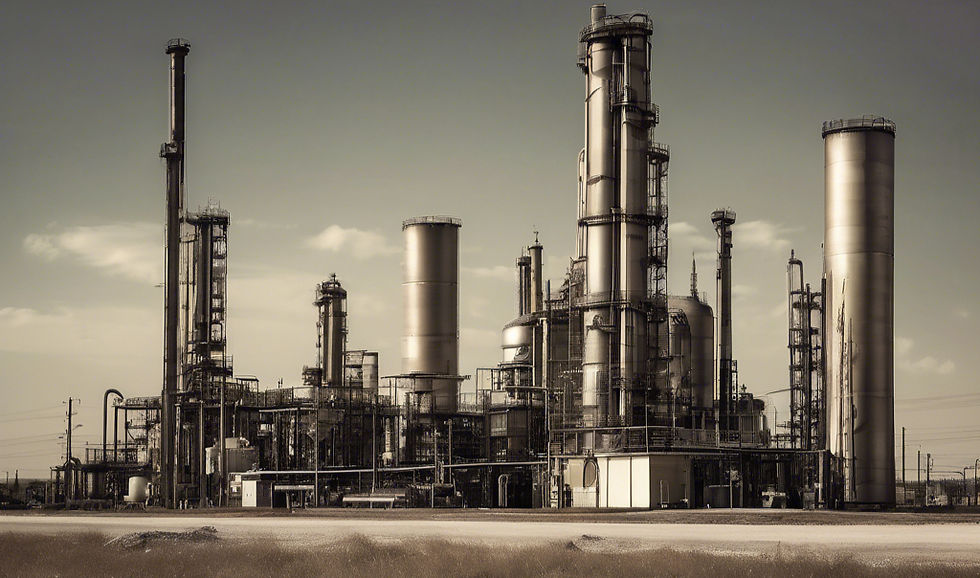
Oil and gas exploration remains a linchpin of the global economy, fueling job growth, stabilizing energy markets, and shaping geopolitical strategies. In 2025, as the push for sustainability intensifies, the sector’s economic role and transformative trends are under scrutiny. Let’s explore its impact, current developments, and future path.
Understanding Oil and Gas Exploration
Oil and gas exploration entails identifying underground or underwater reserves using geological surveys, exploratory drilling, and advanced data analysis to determine extraction viability. These resources power not only energy but also transportation, manufacturing, and chemical industries. Contributing over 3% to global GDP in 2022, the sector’s economic influence is undeniable. Harmonizing this demand with sustainable practices presents both challenges and prospects.
Current Trends in Oil and Gas Exploration
Technology is revolutionizing exploration. Artificial intelligence (AI) processes geological data swiftly, enhancing drilling site selection and reducing costs by up to 20%. Drones streamline surveys, minimizing environmental impact. These tools boost efficiency and improve reserve discovery rates, reshaping operational models.
Geopolitical forces also drive the industry. The U.S., with 12.1 million barrels per day in 2024, and OPEC’s 28 million barrels daily, dictate global oil prices. These production dynamics influence economic policies, positioning exploration as a critical element in global trade and diplomacy.
The Role of Oil and Gas in Economic Growth
Exploration spurs economic development, especially in resource-dependent nations. In Nigeria, oil exports comprised nearly 70% of government revenue in 2023, funding critical infrastructure, education, and healthcare. The industry employs millions—1.6 million in the U.S. alone—across technical and administrative roles. As renewables expand, oil and gas expertise can transition to sustainable energy, fostering new job opportunities.
Environmental Considerations
Exploration’s environmental footprint—spills, habitat disruption, and pollution—poses significant challenges. The 2010 Deepwater Horizon spill, releasing 210 million gallons into the Gulf of Mexico, underscored these risks. With climate change concerns mounting, companies like BP, aiming for carbon neutrality by 2050, are adopting cleaner practices. Partnerships among industry, governments, and environmental groups are vital to align exploration with ecological goals.
The Future of Oil and Gas Exploration
The industry’s future is multifaceted. The International Energy Agency emphasizes balancing fossil fuels with renewables to meet shifting energy needs. Market volatility is likely as sustainable technologies advance. Companies are adapting—ExxonMobil plans $17 billion for low-carbon solutions by 2027. Innovation and collaboration will be key to addressing challenges and sustaining competitiveness.
Economic Implications of a Shifting Energy Landscape
While renewables gain ground, oil and gas exploration remains essential. Rising eco-conscious demand could push energy prices 25% higher by 2030 if renewables falter, according to Deloitte. Oil-reliant economies must diversify to cushion revenue shifts. Investing in workforce retraining and education will equip workers for a diversified energy sector, ensuring economic stability.
Looking Ahead
Oil and gas exploration navigates a landscape of opportunity and uncertainty. As energy demands evolve and environmental priorities escalate, the industry must innovate to remain viable. By leveraging technology, fostering partnerships, and embracing sustainability, it can reconcile economic vitality with environmental responsibility, paving the way for a balanced energy future.
Comments